June to December

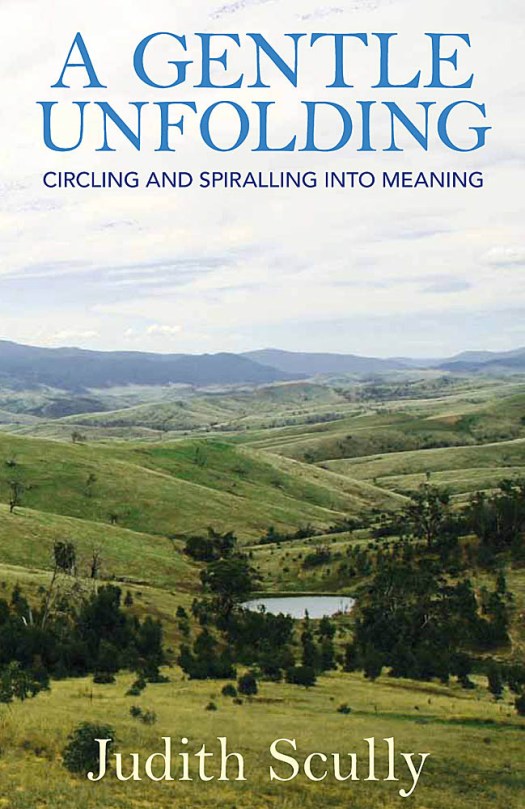
I’m back! It’s the first day of summer, week one of Advent and six months since I last posted on Words from the Edge. I decided that I needed some time and space to work on a book that I had been trying to write since early 2019, the year after my first book, A Gentle Unfolding :  Circling and Spiralling into Meaning, had been published. 
Not exactly a follow-up to A Gentle Unfolding, but a depthing of the spirituality that under laid the story it told.  I wanted to write a book that might help me, and maybe others, to uncover the deeper, mystical meanings beneath the church-speak that we wrap around Christian spirituality.

Sometime in the 90s I read a quote by Jesuit Karl Rahner that has challenged me ever since: “In the days ahead, you will either be a mystic or nothing at all.” The word itself was a mystery, a churchy kind of mystery, applicable to women and men who lived in convents and monasteries where they prayed day and night. It was only as I learnt more about religious spirituality that I gradually began to accept, if not understand, that mysticism is not book knowledge of religion, or some kind of out-of-body experience. It’s not tagging along with an expert’s take on things mystical, but it’s trusting the value of our own inner experience. Mystics are women and men who recognise the mystery that underpins their life, even when it comes in forms that are utterly secular, and call it God.

There’s a phrase in the Pentecost story that always grips me; “each one heard them speaking their own language”. Today’s language could be called multi-media and I needed to write that language too. 

In the couple of years that followed I clicked my way through sites and blogs from all around the world, read lots of books and photocopied and highlighted hundreds of pages that might or might not be relevant. I found out more than my mind could accommodate. Under the title Everyday Mystics, I wrote- and rejected – three unfinished drafts of what I had hoped might be a book.

Early this year I began again, tapping out word-after-word, slowly learning to trust myself to write in MY own words – more scholarly presentations I leave to others. No, it’s not finished, but now I am two thirds of the way into what I trust will be the final draft. Hopefully my words will find an echo in the hearts and minds of all the everyday mystics that silently and sometimes unknowingly cast fire upon the face of the earth and plant seeds that will grow into new life.

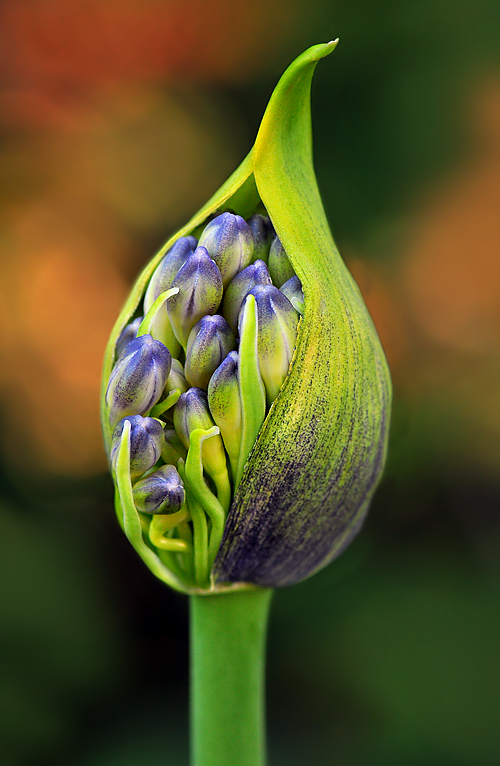
And as it is Advent, meet the agapanthus that line one side of our driveway – each long legged stem   holding a deep blue image of summer warmth and light in their little almond shaped green embrace. What is your go-to Advent image?

Judith Scully   (judith@judithscully.com.au)
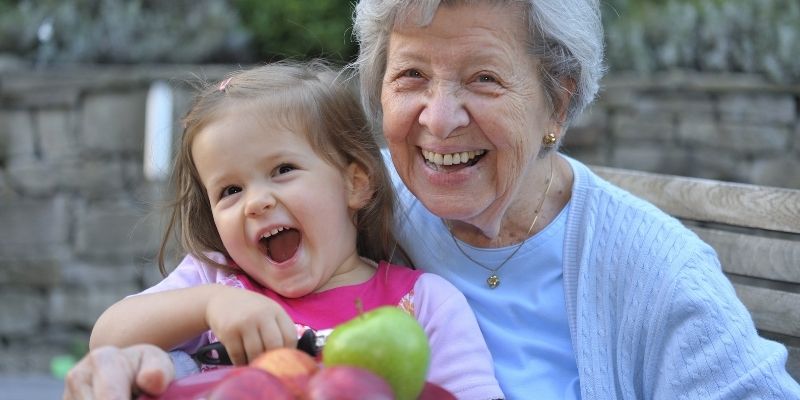
Wrinkle-free

The Cath News headline got me – Pope criticises obsession with looking forever young.

I read further. He was talking about Nicodemus. Now Nicodemus is not a Gospel someone who gets a lot of notice. I imagine him as a politician – one of the quiet ones, rarely seen on TV, but respected by his peers for his sincerity and intelligent approach to important issues. He would probably have a law degree and live in an up-market house in a leafy suburb.

The Nicodemus portrayed in John’s Gospel (3:1-21) was all of those things, but he was also anxious, timid and uncertain about new ideas, worried about being seen with the wrong people, a pragmatic man, thoughtful and reflective, serious about his religion. There’s something very appealing about Nicodemus. Maybe it’s because many of us we can recognise something of ourselves in him.

Jesus was so patient with this serious man who had trouble with creative language.  Words meant to encourage Nicodemus to see God’s Kingdom in a different light went straight over his head. His thinking was single track, and he had trouble hearing strange and unfamiliar expressions such as “born again”, as anything but literal. And these were the two words Pope Francis focused on in his current series of talks about old age.

“Today,” he said, “there is a dream of an eternal youth and a myth that makes us want to return to our mother’s womb, to come back always with a young body.“ The Pope’s focus made me smile because it’s so left field from the theology that is usually wrapped around this lengthy encounter that Jesus had with Nicodemus, confronting him with the need for a totally new beginning, like starting life all over again, if he wished to be a disciple.

To be able to see God like this, Nicodemus needed to think beyond the parameters of religion as he knew them. His rational mind coped wonderfully with Jewish law, but what Jesus asked for and offered was faith – faith that can embrace the mind boggling fact of God’s love for each and every person something that has nothing to do with our desire for a wrinkle-free face – and hands, and a body that moves easily between sitting and standing up. Maybe, too, the Pope had been finding his need to be in a wheelchair recently just a bit confronting.

All journeys from youth to old age, from childish to adult faith, need to wrestle with lots of God questions. We struggle to recognize God in the ups and downs of life, in the shadow and the light in the gradual move into aging. Some days it all seems a breeze, occasionally a bit of despair creeps in. More often there’s a kind of indifference or forgetfulness because the God stuff gets swallowed up in our everyday.

Nicodemus can be a model for us as we struggle to deepen and broaden how we live the God relationship formally gifted to us in Baptism and how it is changes in our fast moving world.  One day we will leave its shadows and darkness behind and move into the light that is God. And God won’t ever notice our wrinkles.

Judith (judith@judithscully.com.au)