
Dear Martha,
I’d been hearing about you since I was a child and took you into adulthood with me, always imagining you as someone who was terribly busy looking after things – like me. Because neither the gospel of John or Luke goes into important stuff, like what you looked like, my imagination pictured you as being somewhere in your twenties, dressed like one of the Muslim women I see in my local shopping centre – hands and feet peeping out from a shapeless dark robe and long dark hair tucked out of sight under a headscarf.
Like me, you lived with your brother, but unlike me, you had a sister. Even today, as an old woman, I miss not ever having had a sister. I wanted someone who would be another me, my best friend, the two of us united against the world. Of course now I know that sisters can be like chalk and cheese -like you and your sister Mary. You were the responsible one, law-abiding, reliable, Mary the floaty type, a dreamer, indifferent to culturally-correct behaviour, totally involved in the moment as it unfolded.
Jesus was a much loved family friend. How, or where, did you meet? Whenever it was or wherever, his approachable ordinariness, the wonderful stories he told, the way the scriptures came alive when he spoke about them, his lack of religious stuffiness and the fact that he rated love above worthiness, must have touched some hunger in the three of you. And so a deep friendship was born.
So when Jesus arrived at your home, unexpectedly, accompanied by some of his closest followers, you would have welcomed them with open arms, all the time wondering “What will I feed them”.
Through the partly open door between the communal courtyard and the house you would have been able to see your male guests- and one woman, your sister Mary- sitting in a circle, all eyes focused on Jesus. There’s occasional laughter and lots of nodding of heads and interruptions. You bang a couple of pots and try to get her eye.
Either she doesn’t see you or more likely, she ignores you. You tell yourself that Jesus ought to know better than to encourage Mary’s presence in this room full of men, putting her reputation at risk. Her place is out here, with you, with the other women. And you push away the sharp stab of jealousy that wishes it was you sitting in that room, at ease with the surrounding males. Listening to Jesus talk was like hearing the answers to deep questions that you never knew you had.
Pushing through the men blocking the doorway, floury hands on hips, you face Jesus. “Lord, don’t you care that my sister has left me to do the work by myself? Tell her to help me!” And you glare at the reclining figure of your sister.
A murmur ripples around the room. Jesus looks up in mid-sentence, a faint smile on his face. He knows you as well as you know him. Twice he speaks your name, “Martha, Martha, you are worried and upset about many things.”
Your bluster and anger evaporates at this simple and thoughtful recognition of how things are for you. Jesus knew, with the insight that love gives, that you longed with all your heart to leave the kitchen behind, to be courageous enough to sit among these men, to drink in the life-giving wisdom that flowed through this man, even though all your life you had been taught that the things of God were far beyond the understanding of women.
In two sentences, Jesus cuts through your resentment and speaks to your heart. “Few things are needed—or indeed only one. Mary has chosen what is better, and it will not be taken away from her.”
2000 years later I sit pondering these words that changed your life. They were so personal, and yet the whole room heard them. Your sister Mary took a deep breath and felt affirmed, Lazarus and the other males in the room were challenged by them, and you Martha? It wasn’t just what Jesus said that made the difference. It was the way what he said touched an unspoken need in you. You weren’t Mary, never would be. You would still be the practical one, but an empty space in you had suddenly filled. The word of God was for you, for everyone, women as well as men. It was so freeing. Did you feel like dancing?
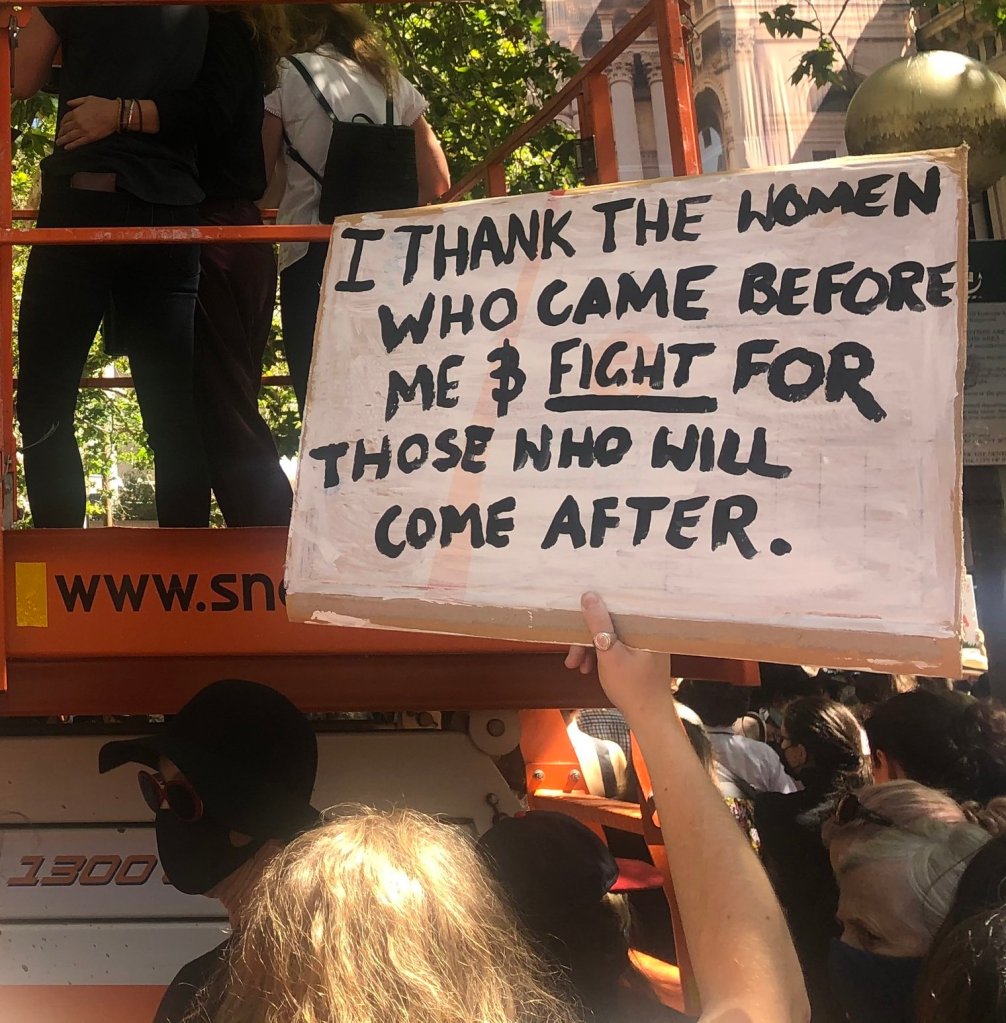
As I’ve worded my way through your story I’ve realized that I don’t have the freedom Jesus gave you and your sister. Century by century, either forgetting or ignoring Jesus’ teaching that the sacred is not gender based, that the kingdom of God is open to all, that freedom was filched back to a men-only place. Womanly hopes, gifts, experiences, vision, imagination and bodily difference have been submerged in male-centered church-speak.
Your story makes me want to scoop up all the words that have been used to restrict and prohibit women’s understanding and relationship with God, tearing them open to reveal their colour, their light, their legacy. I don’t want power. I want the freedom to express the religious in the everyday, to explore ways that embrace the curveyness of women’s spirituality. I want the freedom to replace closed doors and long tables with one that is round, where all are welcome to sit.
Walking in your footsteps,
Judith Scully
( judith@judithscully.com.au )
 Words From The Edge