Easter egg hunt

This Easter I assumed my two youngest grandsons, both taller than I am, would no longer expect the Easter egg hunt that traditionally followed lunch on Easter Sunday. I was wrong, so, somewhat reluctantly, I created a clue-driven hunt that would culminate in a largish Easter egg each.

Their expectations revolved around ten years of Easter eggs hunts in the unkempt outdoor space that passes for our garden, while mine was the need to write clues worthy of my family reputation as a clue- writer. And as I wrote I asked myself: What do eggs, chocolate ones at that, have to do with Jesus and the mysteriously unexpected event we know as the Resurrection? Expectations  that Jesus would be the one to lead the nation back into freedom had taken root in the imaginations of his followers.  

Easter and the weeks that follow are an appropriate time to reflect on the way expectations, the ones that we nurture and the ones that we assume, play such a large part in our lives. As Brene Brown says in Atlas of the Heart, ‘They paint a picture in our head of how things are going to be and how they’re going to look’.

 But unforeseen events and happenings like fires, flooding rain, earthquakes and heart attacks so often come out of the blue. Remember Covid? We didn’t anticipate the impact it would have on our lives. A by-line in the evening news tells of the death of a man – a father, a son, a loved friend, “went to work in the morning but, never got to go home that night”. The possibility of unexpected personal loss is always sobering.

I’ve read that whether we acknowledge it or not, each of us has an constantly refreshed list of expectations we have for ourselves, our children, the people next door, the government, the secondary school system, our doctor, the weather, our employer, and even God, tumble around our days and scramble their way through our night dreams. So many of those expectations end in disappointment.

You might tick all the boxes that enclose your application for a job that you have been assured ‘has your name written on it’, but someone else gets it. The kitchen in your ‘forever house’ turns out to be dark in the winter months, a longed-for baby is miscarried, Melbourne weather washes out plans for a family get-together, your soccer-mad grand-daughter doesn’t  get a place in the team.

Parents treasure expectations for their children. Today many elderly people struggle to understand why the religious upbringing they gave their children seems to have been devalued. Siblings who were brought up to love one another, don’t always. I have an expectation that people will read the words I write from my place on the edge. Sometimes they do, but more often they don’t.

Expectations are filled with possibility and it takes courage to face the hurt of letting go of something that you have valued, even though other eyes might view it as impractical, selfish, or maybe just not right at the time. Somewhere in those possibilities are the seeds of God’s loving expectations for you- and me.

Judith judith@judithscully.com.au
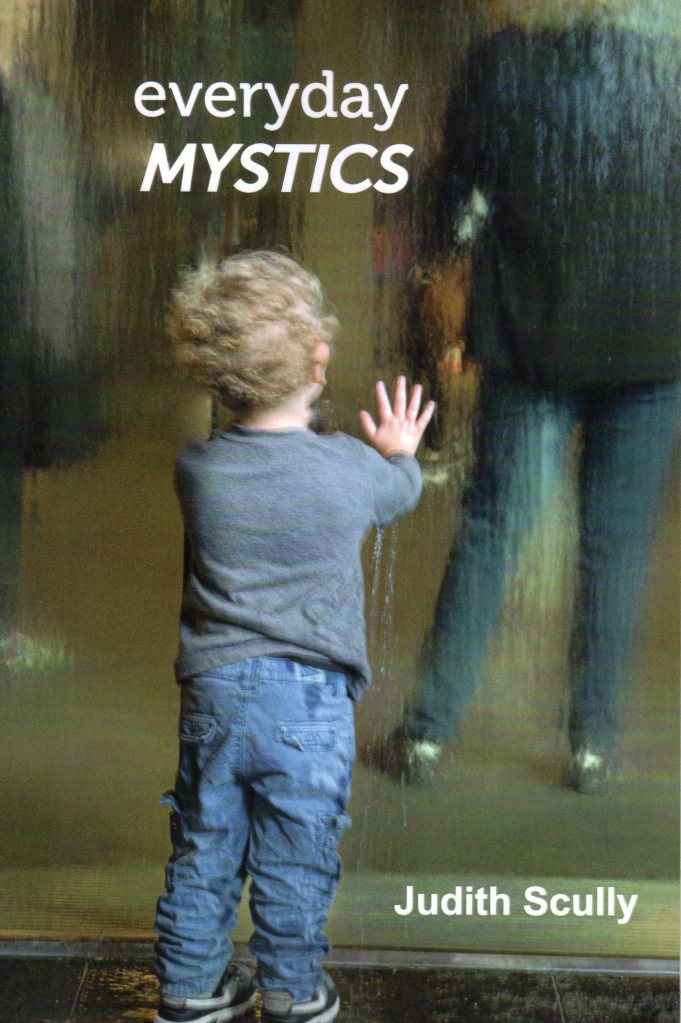
To order your copy of EVERDAY MYSTICS click on the following link: https://au.blurb.com/b/11871252-everyday-mystics

A Week

Right now Muslims across the world are half way through Ramadan, a month of fasting, prayer, reflection and community, while Catholics and religious denominations in the Christian tradition move into the last week of Lent, traditionally known as Holy Week. Moslems will end Ramadan with the joyful celebration known as Eid al-Fitr, while Lent culminates in Easter.  

As a catholic I understand and appreciate the symbolism and traditions of Holy Week that once gave Jesus’ death and resurrection some relevance to how I approached Lent and Easter. But it doesn’t anymore. The emphasis on words, the timing, the washing of feet, palm waving and cross carrying no longer resonate in my world of quarter acre blocks and high rise apartments, supermarkets, weekend sport, flexi time, email and crowded roads. There is a swiftly growing divide between the two approaches to the week the Church calls Holy and the supermarkets call Easter (or Feaster as I once saw it advertised).

A lot happens in a week, any week, but some weeks stand out because their ordinariness is anything but. Jesus’ last week, the one that would end in his execution and all that followed on, started out on a high. It was the Passover, the biggest celebration in the Jewish religious calendar and Jesus and his troupe of disciples had tramped their way from Galilee to Jerusalem to join in the celebrations. Unexpectedly as he entered the city he was recognised by a group of people, today you might call them activists. They were looking for a leader, someone who they hoped could restore Israel to the greatness that the Romans had taken from them, and a noisy crowd gathered, waving him into the city in a procession of palms leaves. It was an unexpected, and unwanted beginning to a holiday break.

The episode did not go un-noticed. Roman soldiers making sure that the holiday crowds didn’t get out of control made a note of it, as did the Temple priests who felt threatened by Jesus’ teaching and his popularity with people. I suspect Jesus began to feel a little anxious.

The last week of Jesus’ life would have been a microcosm of emotions, none of them easy to accept or handle. Along with anxiety came fear that he might be arrested and what that might mean for his future. It threw a pall of un-knowingness over his get-together Passover supper with friends and followers,. A shaft of disappointment must have gone through him when Judas slipped away from the gathering. A feeling of ‘this is not going to end well’ moved into overwhelming loneliness as his companions drifted off into sleep and he was left alone in a loneliness that was so intense he had a physical reaction to it. He worried about his mother, who would look after her if he was no longer there.

What followed is documented in the Gospels. Betrayal by the friends whom he loved, being shamed and feeling de-humanised when he was stripped of his clothing and mocked for it. A verdict without a trial, knowing that he had done no wrong and there was no one there to talk up for him, the verdict – crucifixion, and the plummeting knowledge that this was the end. And worst of all his despairing cry, “My God, my God, where are You?”

Jesus’ resurrection tells us he was the Son of God. Jesus’ last week on earth shows us that that fear and anxiety, disappointment, betrayal and hurt, sadness and loneliness were part of his life just as they are in ours.  

As you prepare for Easter you might ask yourself, “How have I felt this week?”  

Judith judith@judithscully.com.au